
Peeling paint is one of the most common problems we see in Connecticut homes. One day your walls look fine. The next, you spot paint curling near a window. Or you notice it bubbling above the shower. It looks bad, and it usually means something underneath needs attention.
The good news is that peeling paint is fixable. It is also preventable once you know the cause. In this guide, we'll walk through why interior paint peels. You'll learn what it's telling you about your walls. And you'll see how to fix it so it stays fixed.
Most peeling comes down to three things. Moisture is the biggest one. Poor surface prep is a close second. The wrong paint on the wrong surface is the third. Each one has a clear fix. If you're dealing with peeling paint right now, don't just paint over it. That hides the problem and wastes your money. Read on, and you'll know what to check next.
Moisture Is the Number One Cause
Water is paint's worst enemy. When moisture gets behind the paint, it pushes the film away from the wall. That's when you see bubbling, cracking, and peeling. In Connecticut homes, moisture shows up in a few common spots. Bathrooms are the worst, thanks to steam from hot showers. Kitchens come next, with heat and cooking moisture. Basements and laundry rooms deal with humidity too.
Sometimes the source is a hidden leak in a wall or ceiling. Other times it is just poor ventilation. If your peeling is near water, moisture is the likely cause. Fixing it means solving the water problem first. New paint over a wet wall will peel again fast. We always find and fix the moisture before we repaint.
Poor Prep Work Never Holds
Paint needs a clean, sound surface to grip. Skip the prep, and it will let go sooner or later. This is the most common reason cheap paint jobs fail. If the old surface was dusty, greasy, or glossy, new paint can't bond. The same is true when you paint over flaking or chalky layers. It might look fine at first. Then it starts peeling in sheets a few months later.
Good prep is simple but not quick. We scrape loose paint, sand glossy spots, and clean every surface. We patch cracks and holes, then prime bare areas. Primer gives the new paint something to hold onto. When the prep is done right, the finish lasts many years. When it gets skipped, you pay twice.
Related service: Our interior painting and drywall repair teams handle peeling paint from start to finish — no shortcuts.
The Wrong Paint on the Wrong Surface
Not all paint is built the same. Using the wrong type sets you up to fail. Kitchens and bathrooms need moisture-resistant paint with a satin or semi-gloss finish. Flat paint in those rooms soaks up steam and peels. Bare wood, metal, and fresh drywall each need the right primer first. Paint straight over them, and it won't stick well.
Oil-based and water-based paints don't always play nice together either. Putting latex over old oil paint without prep leads to peeling. This is where a pro saves you trouble. We match the paint and primer to each surface and room. That way the finish holds up to daily use. The right product on a prepped surface is what makes paint last.
How We Fix Peeling Paint the Right Way
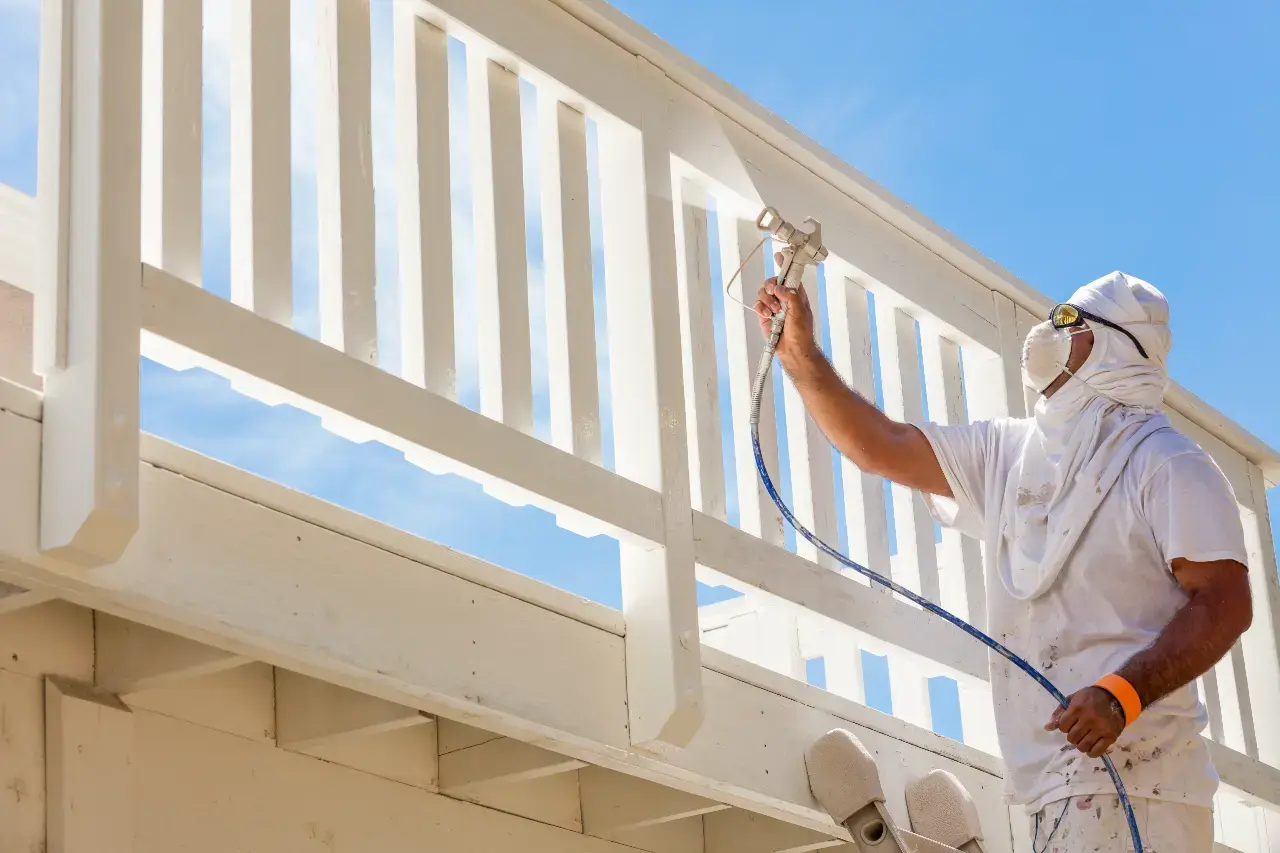
Fixing peeling paint is not about painting over it. It is about removing the failure and rebuilding the surface. First, we find the cause. If it's moisture, we track down the leak or airflow problem. Then we scrape away every bit of loose, peeling paint. We sand the edges smooth so the repair blends in.
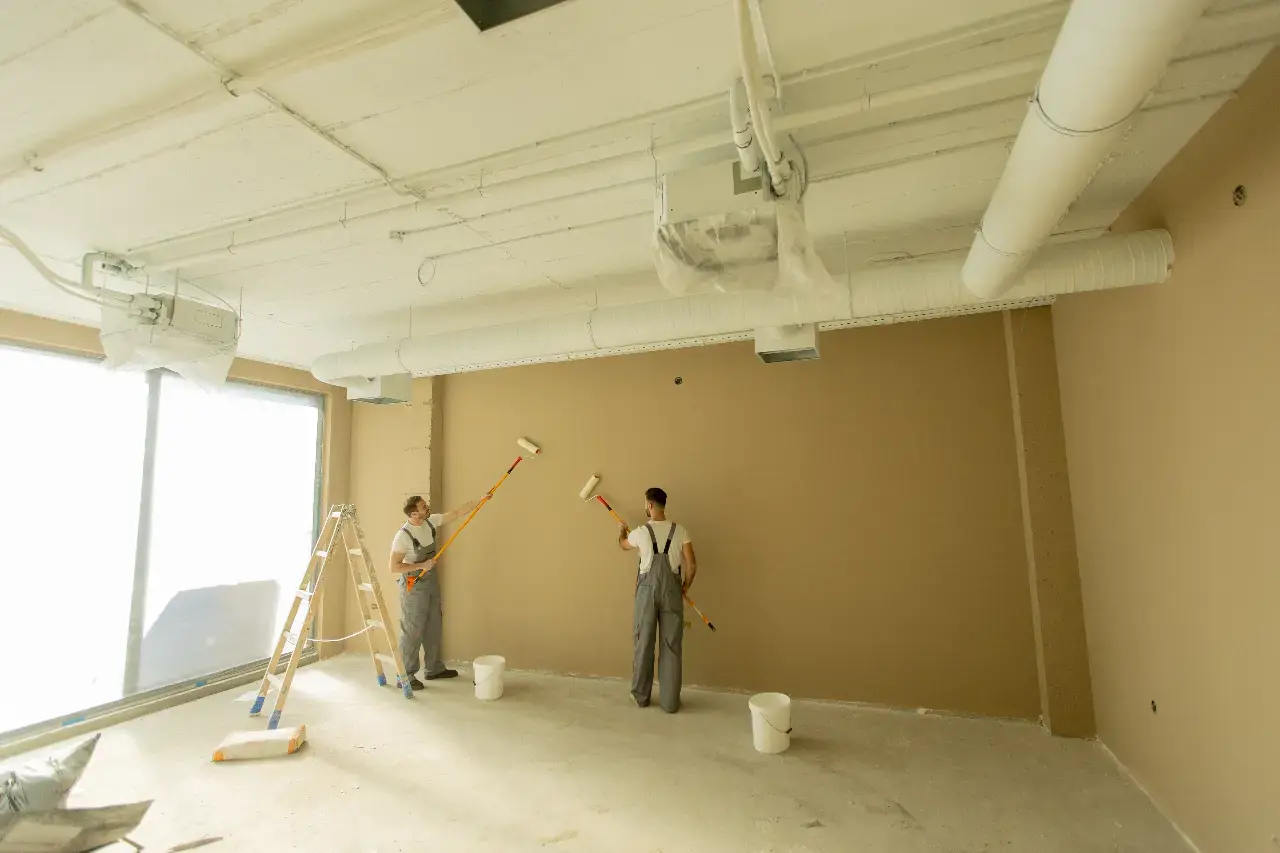
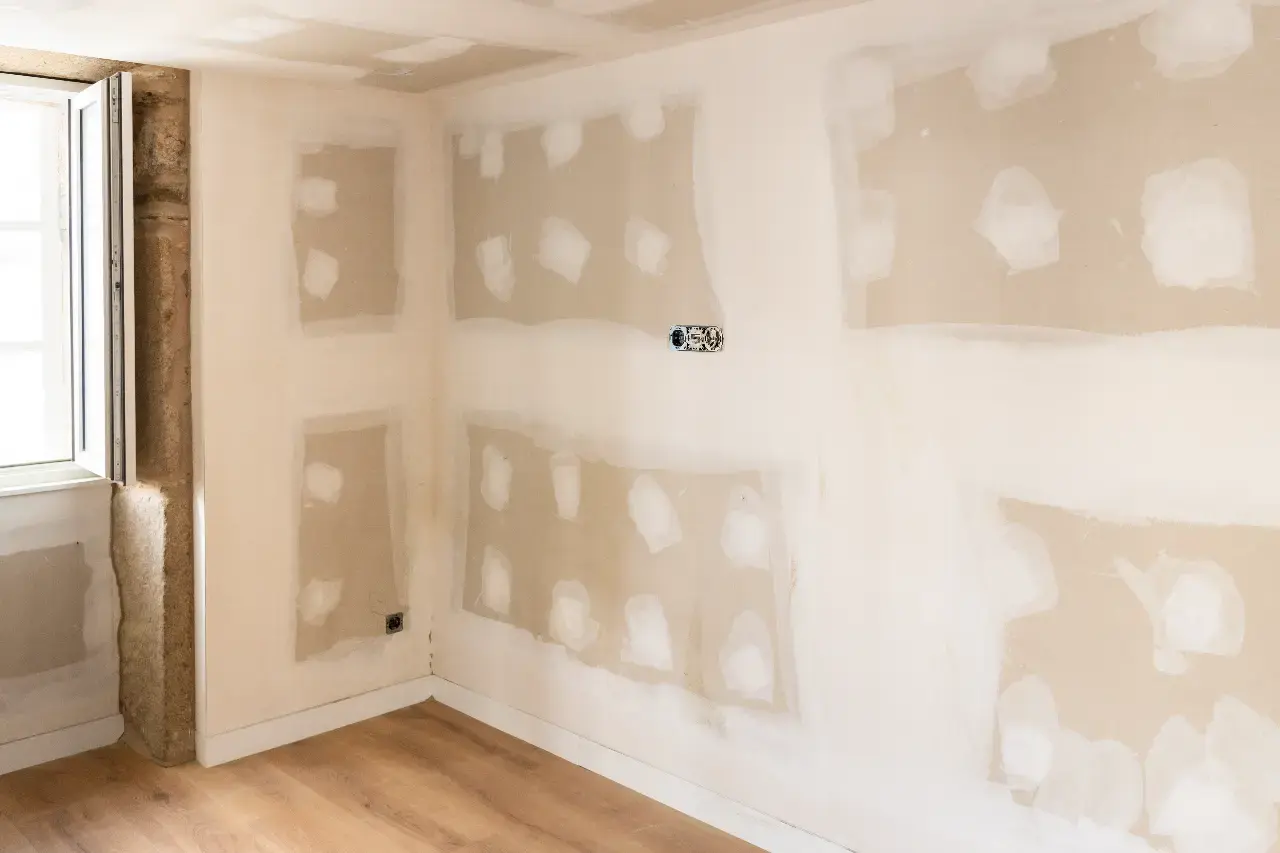
Damaged drywall or plaster gets patched and sanded flat. Next, we prime the bare spots so the new paint bonds. Only then do we apply fresh coats. We use the right paint and finish in that room. The result is a wall that looks new and stays that way. Done right, you won't see peeling come back. That's the difference between a patch job and a real fix.